
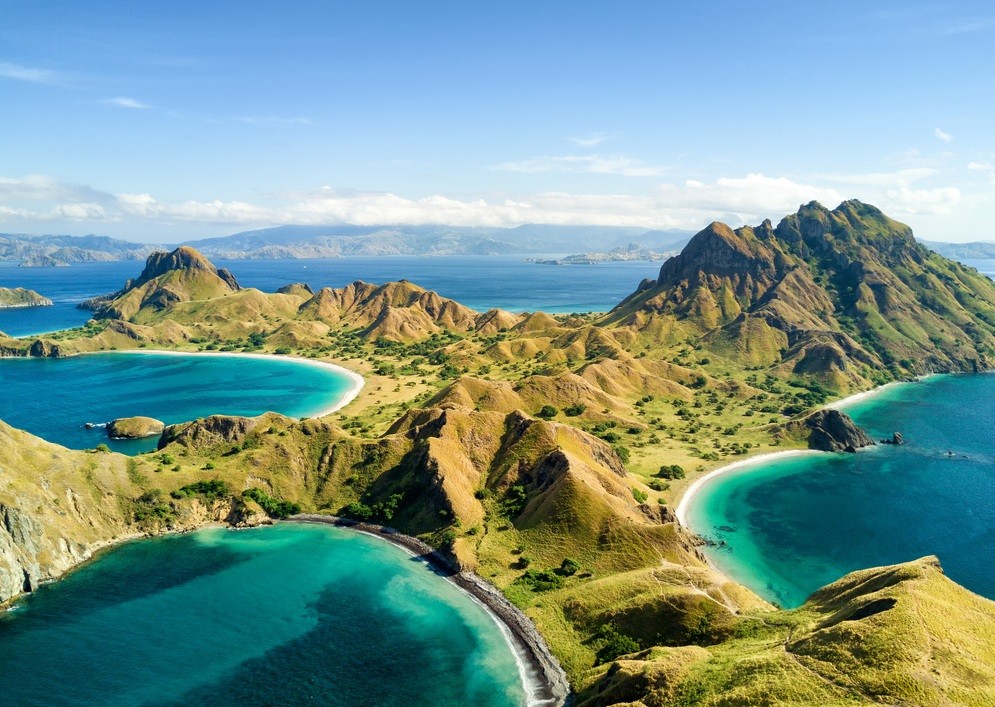
Labuan Bajo, a charming town on the western tip of Flores, Indonesia, has become a sought-after destination known for its stunning natural beauty, rich cultural heritage, and proximity to the renowned Komodo National Park. This UNESCO World Heritage site is famous for being the natural habitat of the world’s largest lizard, the Komodo dragon. Celebrated for its vibrant coral reefs, pristine beaches, and diverse marine life, the park offers visitors a range of activities such as boat tours, snorkelling, and scuba diving.
Explore Labuan Bajo and Its Surroundings
Beyond Komodo National Park, Labuan Bajo offers a wealth of experiences. Rinca and Padar, two nearby islands, are popular for their scenic hiking trails and breathtaking panoramic views. These islands provide opportunities to explore the natural landscape, with Padar Island particularly famous for its dramatic hills and stunning views over turquoise bays.
Labuan Bajo itself is a gateway to traditional villages and bustling markets where visitors can immerse themselves in the local culture. The town’s culinary scene is another highlight, offering a mix of local and international cuisine. Food enthusiasts can savour fresh seafood dishes such as grilled fish and satay, accompanied by spicy sambal sauces, or enjoy global flavours with restaurants serving Italian, Mexican, and Japanese cuisine.
Getting to Labuan Bajo
With direct flights from major Indonesian cities, reaching Labuan Bajo is convenient.
From Jakarta: Several airlines operate direct flights from Soekarno-Hatta International Airport to Komodo Airport. The journey takes around 2-3 hours, depending on the airline.
From Denpasar (Bali): Flights from Ngurah Rai International Airport to Komodo Airport are also available, with a flight time of about 1 hour.
It’s important to check flight schedules in advance, as they can vary due to weather conditions or other factors. Connecting flights or layovers may also affect travel time
Komodo National Park: A Unique Adventure
Komodo National Park, located in eastern Indonesia, is a remarkable destination renowned for its unique ecosystem, including the iconic Komodo dragon. Established in 1980 to protect this endangered species and its habitat, the park encompasses several islands, including Komodo, Rinca, and Padar. Despite the temporary closure of Komodo Island for conservation efforts, visitors can still access other parts of the park.
Guided tours offer the chance to see Komodo dragons in their natural environment, along with exploring the park’s scenic hiking trails, beaches, and viewpoints. The surrounding waters are a diver’s paradise, teeming with vibrant coral reefs, sea turtles, manta rays, and an array of fish species.
The Majestic Komodo Dragons
The Komodo dragon, native to Indonesia’s Komodo, Rinca, Flores, Gili Motang, and Padar islands, is the largest lizard species in the world, reaching up to 3 meters in length and weighing as much as 90 kilograms. With its rugged skin, powerful legs, and muscular tail, the Komodo dragon is a formidable predator, hunting prey like deer, wild boar, and even water buffalo. Its keen sense of smell allows it to detect food from several kilometres away.

Despite their dominance in the food chain, Komodo dragons are an endangered species, with an estimated wild population of 3,000 to 5,000. Conservation efforts, including habitat protection and breeding programs, are crucial to preserving these incredible creatures for future generations.
Padar Island: A Natural Wonder in Komodo National Park
Padar Island, nestled within Indonesia’s Komodo National Park, is famous for its breathtaking panoramic views, diverse terrain, and pristine beaches. A hike to the top of Padar’s hills is a must-do for visitors, offering a stunning landscape that includes sweeping savannahs, lush forests, and arid shrublands. The hike, which includes 818 steps over 1.2 kilometres (yes, I counted! ), rewards you with one of the most iconic views in the region. The scenery is particularly enchanting at sunrise and sunset, when the play of light across the rugged terrain creates a magical atmosphere.

The island is also home to several beautiful beaches, including the renowned Pink Beach, named for its unique pink-tinted sand. This striking hue is the result of white sand mixed with tiny fragments of red coral. Visitors can swim, snorkel, or simply relax on the beach, taking in the stunning views and vibrant marine life. Reaching Padar Island requires a boat trip from Labuan Bajo or Komodo Island, typically taking about two hours. As Padar Island is a protected area, visitors must pay a small admission fee and adhere to conservation guidelines to help preserve its natural beauty.
Pink Beach: A Rare Gem in Komodo National Park
Pink Beach, also known as Pantai Merah in Indonesian, is a stunning and unique beach on Komodo Island, which is part of Komodo National Park. The combination of white sand and crushed red coral produces the beach’s unique pink sand, a rare phenomenon. This pink hue is especially vivid during sunrise and sunset, creating a picture-perfect scene against the backdrop of turquoise waters and rugged hills.
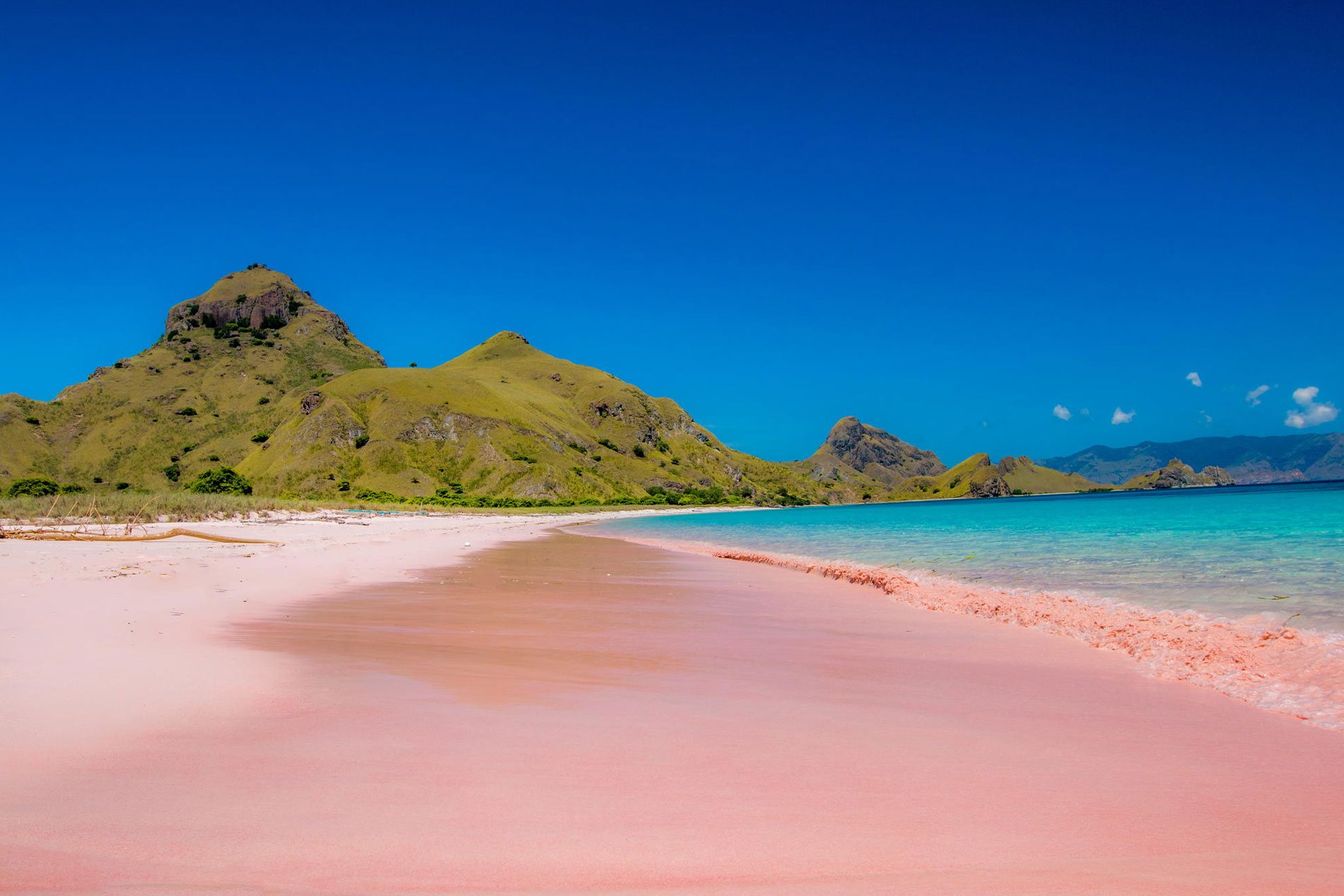
Pink Beach is a popular spot for snorkeling, swimming, and sunbathing, offering a rich underwater world teeming with colorful fish, vibrant coral reefs, and even sea turtles. Visitors can rent snorkeling gear or join guided tours to explore the marine life. Accessing Pink Beach involves a two-hour boat ride from Labuan Bajo, the main gateway to the park. To help maintain the pristine condition of this unique beach, a small admission fee is required.
Tips: Labuan Bajo is a must-visit destination in Indonesia, offering something for everyone, from breathtaking natural landscapes to rich cultural experiences. When visiting, consider tipping your ranger or guide as a gesture of appreciation. Although not mandatory, these guides greatly appreciate tips ranging from IDR 20,000 to IDR 100,000, given their often modest wages. Your generosity can make a significant difference in their lives.

 Misscityhopper
Leave a comment